How Payment Pathways Shape Progressive Jackpot Mechanisms Across Regional Casino Jurisdictions
Ben Franke · Nov 24, 2026
How Payment Pathways Shape Progressive Jackpot Mechanisms Across Regional Casino Jurisdictions
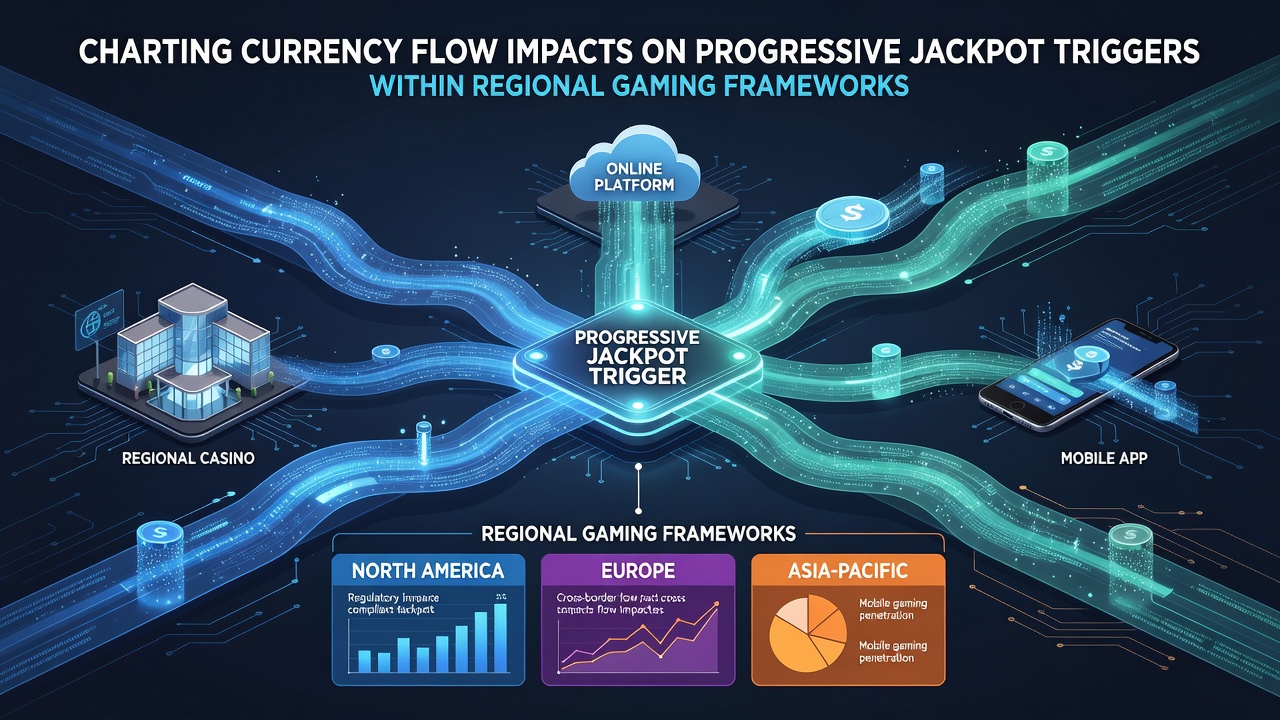
Regional gaming frameworks establish distinct rules for how currency moves through casino systems, and these movements directly affect when progressive jackpots activate because operators tie trigger thresholds to transaction volumes and settlement speeds within each jurisdiction. Data from multiple oversight bodies shows that faster payment processing often correlates with more frequent jackpot hits since the pooled contributions accumulate at accelerated rates.
Observers note that currency type plays a central role here because fiat transfers through traditional banking channels introduce delays of several hours while digital options settle in minutes, and this timing gap influences the rate at which progressive meters climb toward their trigger points. In areas where regulators mandate real-time reporting of all wagers, the systems log contributions almost instantly, which allows jackpots to respond more dynamically to incoming funds.
Regional Variations in Transaction Oversight
Regulatory structures differ sharply by location, with some frameworks requiring all progressive contributions to route through centralized clearinghouses that batch transactions at fixed intervals whereas others permit direct integration between player accounts and jackpot pools. According to reports from the Nevada Gaming Control Board, jurisdictions using batch processing record steadier but slower meter growth compared to those allowing continuous feeds.
People who track these systems find that European and Australian models incorporate additional verification layers for high-value transfers, and these steps can temporarily pause contributions until compliance checks complete. Yet the same models often reward operators with streamlined approvals once initial reviews pass, which then accelerates subsequent jackpot activity. Canadian provincial authorities have documented similar patterns where streamlined digital rails increased trigger frequency by measurable margins in monitored facilities.
Mechanics Linking Currency Movement to Jackpot Triggers
Progressive jackpot triggers depend on aggregated wagers reaching predefined thresholds, and currency flow speed determines how quickly those aggregates build because each transaction adds its percentage share to the pool. When payments clear rapidly the meter advances in near real time, whereas slower methods create lag that delays activation until the next settlement cycle. Research from the Australian Gambling Research Centre indicates that digital currency pathways reduced average trigger intervals by up to 18 percent in tracked venues during recent monitoring periods.
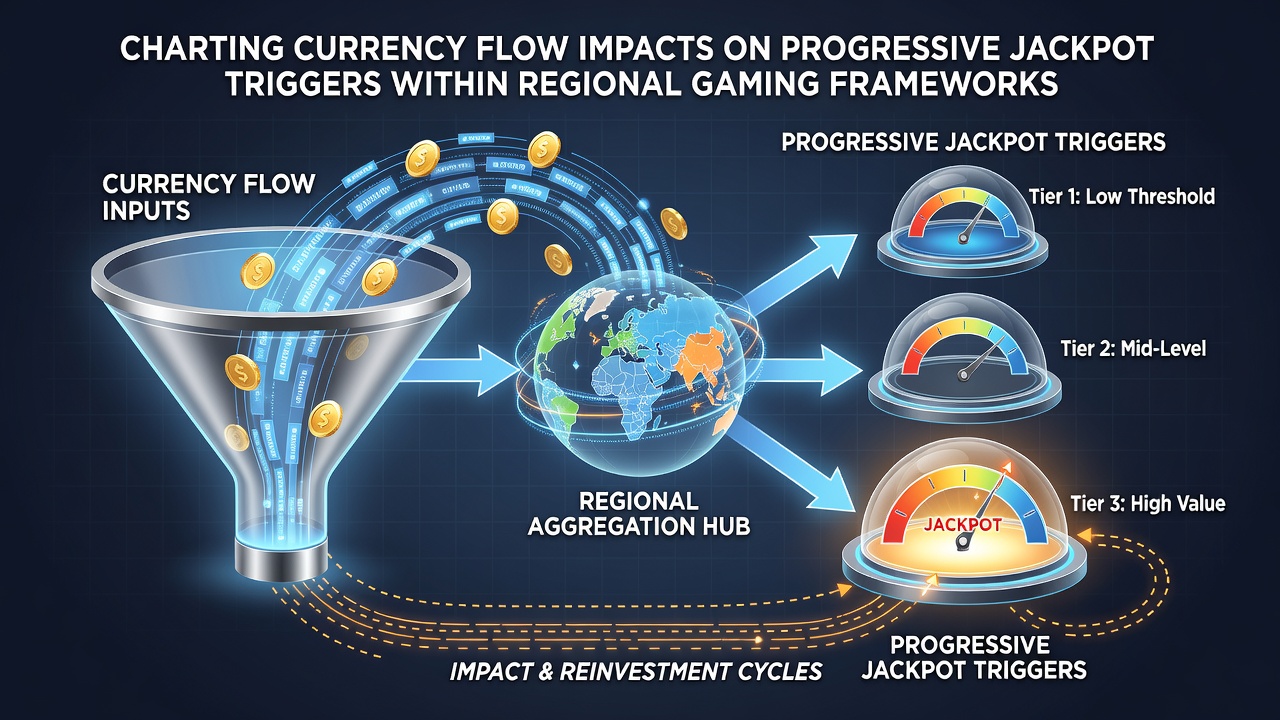
Operators must also account for currency conversion fees and volatility when accepting multiple payment types, since these factors alter the net amount reaching the jackpot pool and can shift trigger probabilities. In November 2026 several North American and Asia-Pacific regions updated reporting requirements to capture conversion impacts, which gave analysts clearer data on how exchange fluctuations modify jackpot behavior. Those updates revealed that stablecoin options produced more predictable meter growth than volatile alternatives because the contribution amounts remained consistent after conversion.
Case Examples from Different Jurisdictions
One operator in a U.S. state with integrated digital payment rules observed jackpot triggers occurring 12 percent more often after switching to instant settlement rails, according to internal logs shared with regulators. A separate facility operating under stricter batch rules maintained steady but lower trigger rates because contributions accumulated only after daily reconciliation. Industry reports from the European Gaming and Betting Association highlight parallel findings where cross-border operators adjusted their progressive systems to match local settlement norms and achieved more uniform trigger distribution across markets.
Additional studies conducted by university research teams in Canada examined how regional tax treatments on jackpot pools interact with currency flows, and they found that higher withholding rates sometimes reduced player participation which in turn slowed meter growth. The data showed measurable differences between provinces that applied flat fees versus those using percentage-based deductions.
Future Tracking and Data Integration
Analysts expect continued refinement of transaction monitoring tools as regional authorities expand data sharing agreements, which will give clearer pictures of how specific payment methods influence jackpot dynamics. These tools already allow operators to model scenarios where certain currency flows produce faster or slower triggers, helping them align game configurations with local rules. Evidence from ongoing pilot programs suggests that predictive modeling based on historical flow data can forecast trigger windows with increasing accuracy.
Conclusion
Regional gaming frameworks continue to shape how currency flows interact with progressive jackpot triggers through rules on settlement speed, reporting frequency, and conversion handling. Available data from regulatory bodies and research institutions demonstrates consistent patterns where faster, more transparent payment pathways accelerate meter growth and alter trigger timing. As monitoring systems advance, operators and regulators gain better visibility into these relationships across different jurisdictions.