Mapping Digital Currency Transactions to Exclusive Live Dealer Access in Mobile-Based Loyalty Programs
Ben Franke · Oct 27, 2026

Mapping Digital Currency Transactions to Exclusive Live Dealer Access in Mobile-Based Loyalty Programs
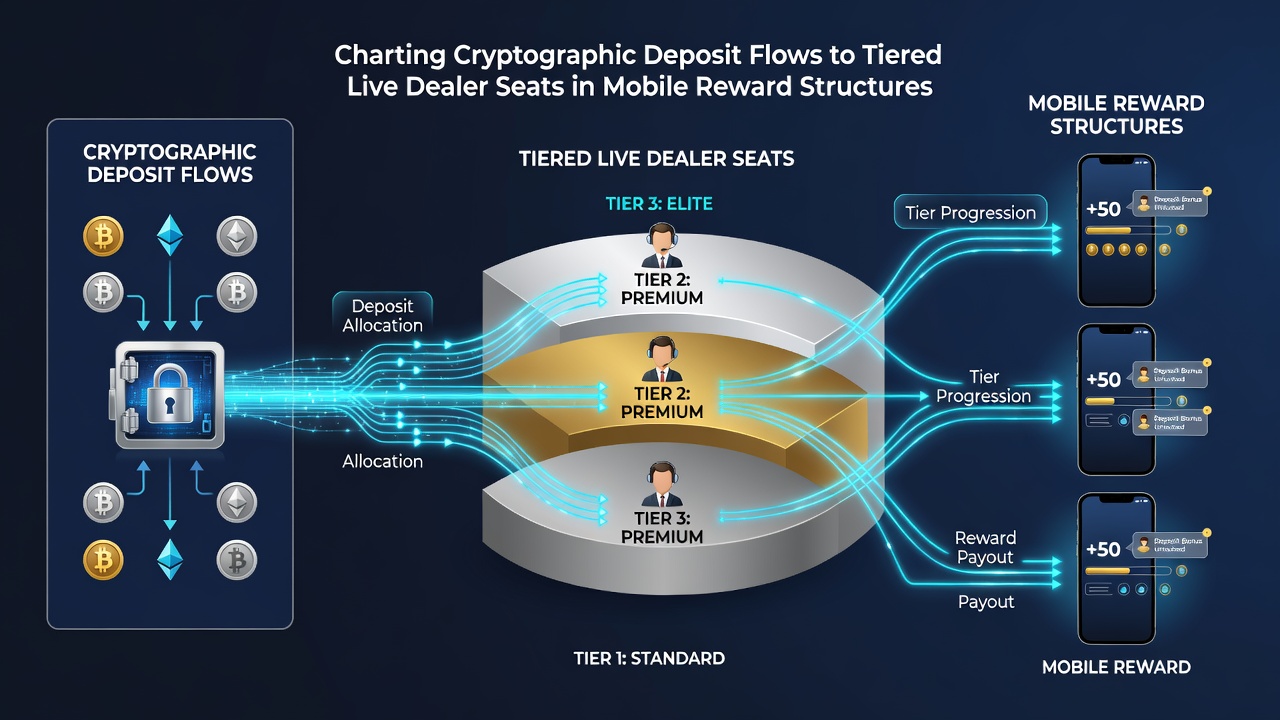
Digital asset transfers now feed directly into layered reward frameworks that determine seating priority at live dealer tables on mobile platforms, and operators track these movements through integrated wallet APIs that log each transaction in real time. Data from industry reports indicates that platforms segment users into bronze, silver, gold, and platinum tiers based on deposit volume and frequency, while live dealer sessions reserve specific tables for higher-tier accounts during peak hours.
Transaction Pathways and Tier Assignment Mechanisms
Blockchain explorers reveal that stablecoin deposits often settle within seconds on platforms using Polygon or Solana networks, and these rapid confirmations trigger automatic tier calculations in backend systems. Observers note that once a deposit clears, the amount converts into loyalty points that unlock progressively better table limits, and players at platinum level gain access to private dealer rooms with lower house edges on games such as blackjack and roulette. Research indicates mobile applications push these updates through push notifications, allowing users to claim seats without leaving the app interface.
Payment gateways employed by major operators log deposit metadata including wallet address, timestamp, and network fees, while reward engines match these records against historical play patterns. Those who've studied transaction logs find that repeated deposits above certain thresholds accelerate tier progression, and this process runs continuously rather than at fixed reset dates. Figures from European operators show average tier advancement occurs after three consecutive deposits exceeding 0.5 ETH equivalent within a 30-day window.
Mobile Interface Integration and Seat Reservation Logic
Applications built for iOS and Android display available live dealer seats filtered by current tier status, and selection algorithms prioritize higher-tier accounts when multiple users attempt to join the same table simultaneously. According to system documentation released by platform developers, seat locks last for a maximum of four minutes before release if the player does not confirm attendance, yet this window extends automatically for platinum members. The reality is that cryptographic signatures authenticate each reservation request, preventing unauthorized access across different devices.
Live dealer studios equipped with multiple camera angles stream exclusively to mobile sessions once a seat is secured, and bandwidth allocation adjusts automatically based on user tier to minimize latency. One study revealed that platforms using edge computing nodes near major metropolitan areas reduce average stream delay to under 800 milliseconds for gold-tier and above accounts. Meanwhile lower tiers may experience occasional buffering during high-traffic periods in October 2026 when seasonal promotions increase concurrent users.
Regulatory Reporting and Compliance Tracking
Authorities such as the Nevada Gaming Control Board require operators to maintain immutable records of all cryptographic deposits tied to reward redemptions, and these records must remain accessible for audits spanning seven years. Similar requirements appear in Canadian provincial frameworks administered through the Alcohol and Gaming Commission of Ontario, where transaction trails must demonstrate clear separation between deposit sources and bonus allocations. Industry associations including the European Gaming and Betting Association publish guidelines that encourage standardized API formats for cross-border compliance checks.
Academic papers from research teams at the University of Nevada, Reno examine how deposit velocity correlates with tier stability, and findings show that sudden large inflows rarely produce permanent tier upgrades unless accompanied by consistent wagering activity. Data collected across multiple jurisdictions indicates that platforms must flag deposits exceeding 10,000 USD equivalent for enhanced due diligence, regardless of tier level achieved.
Future Developments in Flow Visualization Tools
Developers continue to refine dashboard interfaces that visualize deposit flows as animated graphs, allowing compliance teams to spot unusual patterns within minutes rather than hours. These tools integrate machine learning models trained on historical transaction data to predict tier migration rates, and early deployments report improved accuracy in forecasting live dealer table demand during promotional windows. As of October 2026 several operators have begun testing real-time tier adjustment APIs that respond to network congestion by temporarily routing deposits through alternative blockchains.
Conclusion
Comprehensive mapping of cryptographic deposits through mobile reward structures demonstrates clear connections between transaction characteristics and live dealer seating privileges. Regulatory bodies across multiple regions continue to refine reporting standards, while technical systems evolve to handle higher volumes with greater transparency. Continued observation of these flows provides operators and oversight agencies with the data needed to maintain orderly access to tiered experiences.