State Regulations Shift Transaction Paths and Tier Benefits in Virtual Gaming Platforms
Uma Foster · Sep 15, 2026

State Regulations Shift Transaction Paths and Tier Benefits in Virtual Gaming Platforms
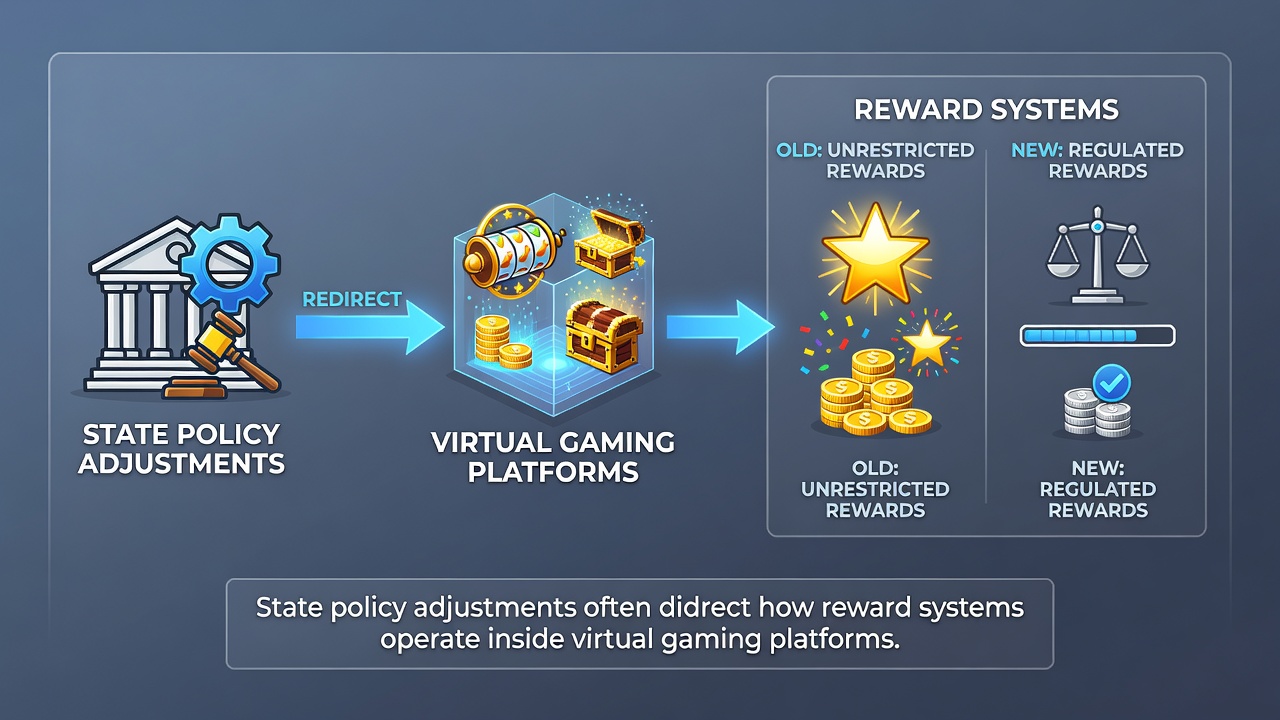
State policy adjustments frequently alter how reward systems function inside virtual gaming platforms, especially when fresh rules focus on transaction pathways and access tiers for slot configurations or table interfaces. These changes emerge across multiple jurisdictions as lawmakers refine licensing requirements, payment processing standards, and player classification structures. Observers note that platforms must adapt their bonus distribution methods and tier progression mechanics to stay compliant while maintaining operational continuity.
Data from regulatory filings shows that several states implemented updated guidelines on digital fund transfers during 2025 and early 2026. These guidelines directly affect how rewards accumulate and how players advance through access levels. Platforms respond by redesigning internal routing systems that handle deposits, withdrawals, and bonus credits, ensuring each step aligns with new state directives on verification and reporting.
Transaction Pathway Modifications Under New Rules
Updated state measures often require additional verification layers for incoming and outgoing transactions tied to reward accounts. This means platforms integrate extra checkpoints before bonus funds or tier credits activate for slot play or live table sessions. Researchers tracking compliance patterns report that operators in affected regions reroute payment flows through approved processors that meet enhanced audit standards.
One study revealed that transaction completion times increased by an average of 18 percent in states with stricter pathway rules during the first quarter of 2026. Platforms countered these delays by introducing parallel processing options that maintain reward eligibility without violating access restrictions. Those who've examined the changes note that slot configurations and table interfaces now display updated status indicators reflecting real-time compliance with pathway requirements.
Access Tier Adjustments and Platform Responses
Access tiers represent another area where state policies exert influence. New provisions frequently cap the speed at which players reach higher reward brackets or limit the types of benefits available at each level when certain transaction methods are used. Evidence suggests these caps aim to increase transparency around promotional value and reduce discrepancies between advertised and delivered rewards.
Platforms adjust tier structures by recalibrating point accumulation rates and introducing state-specific subcategories for slot and table access. Figures reveal that several major operators expanded their tier qualification windows in September 2026 to accommodate revised state reporting cycles. This adjustment allowed continued progression for players while satisfying documentation demands from regulatory bodies.
Regional Examples of Policy Impact
States in different regions apply these rules with varying emphasis. Michigan's gaming oversight agency, for instance, introduced requirements linking transaction verification directly to tier advancement in mid-2026. Platforms operating there modified their reward engines to separate slot-based points from table-based points when calculating eligibility. Michigan Gaming Control Board reports document the resulting changes in player movement between tiers.
Meanwhile, authorities in New Jersey updated guidelines on digital wallet integration that affect how bonus credits convert into playable funds for both slots and tables. Operators responded by creating dedicated access lanes that satisfy state criteria while preserving reward value across different game types. Similar patterns appear in Canadian provincial frameworks where transaction logging standards now influence tier reset periods.
Industry Adaptation Patterns
Industry organizations such as the European Gaming and Betting Association have compiled data showing consistent adaptation strategies across compliant platforms. These include modular reward engines that allow region-specific configurations without full system overhauls. The reality is that operators with flexible architectures experience fewer disruptions when states revise transaction or tier rules.
Academic analyses from research institutions further indicate that platforms investing in automated compliance monitoring reduce the time needed to implement pathway and tier changes. One analysis covering multiple jurisdictions found that automated systems handled 73 percent of required adjustments without manual intervention during the 2026 rollout period.
Conclusion
State policy adjustments continue to shape reward operations in virtual gaming environments by targeting transaction pathways and access tiers. Platforms that monitor regulatory developments and maintain adaptable systems demonstrate steady compliance across slot configurations and table interfaces. Data indicates these shifts will persist as states refine their approaches to digital gaming oversight, requiring ongoing adjustments from operators and service providers alike.